IGRAO Africa Navigation
Registered Refugee-Led Organization (RLO)

Building Resilience Through Education & Opportunity

Empowering vulnerable children, youth, and families in Kyangwali Refugee Settlement and host communities through quality education, SGA livelihoods, fish farming, and sustainable economic self-reliance.

To Empower Displaced Displaced Families

Empowering Displaced Communities in Uganda

In Kyangwali Refugee Settlement, war, land constraints, and loss of livelihoods sentence thousands of refugee families and host communities to severe poverty. IGRAO was founded in 2018 to change this trajectory through sustainable education and economic self-reliance.

Who We Are

Refugee-Led Community Transformation

IGRAO is a community-driven non-profit Refugee-Led Organization dedicated to breaking the cycle of poverty in Kyangwali Settlement. Through our flagship Shalom Sustainable Agricultural Initiative in Africa (SGA) project, we turned a zero-tree nursery land into 7 thriving community fish ponds, 8 avocado banana plantations, and a 5-nutrition program.

Explore Our SGA Project
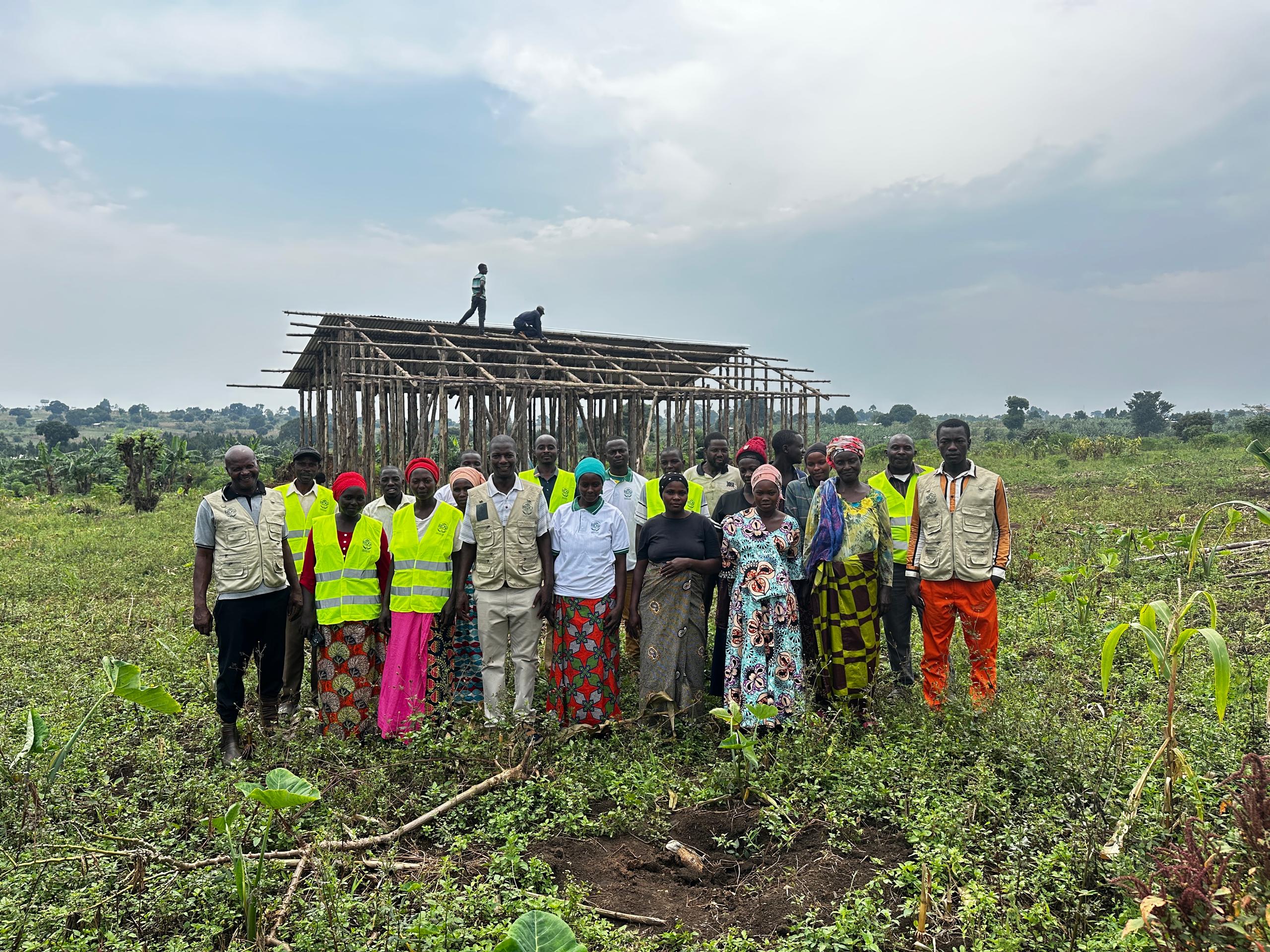
IGRAO Community Team
A Snapshot of Our Direct & Indirect Impact

2018  —>  2026 (8 years)

1,000+

Lives Transformed

Through our programs across education, SGA agriculture, fish farming, and humanitarian support in Uganda.

100s
Children Sponsoring Education
7
Community Fish Ponds Managed
1
Central Tree Nursery Hub
100%
Refugee-Led Impact
3+ Yrs
Proven SGA Project Success
8
State-Organized Farm Plantations
2x/wk
Fresh Fish & Food Distribution
VSLA
Micro-Savings Groups Active
Integrated Community Development

Empowering Lives Through Education & Skilling

We provide high-quality education support for refugee and host community children, covering school fees, learning uniforms, and materials. Concurrently, our SGA project trains parents in high-yield agronomy and fish farming.

By addressing both child education and household economic stability, IGRAO builds sustainable self-reliance rather than temporary relief.

Partner With Us
Academic Enrichment & Livelihoods

August Holiday Coaching Program

As the official IGRAO Nursery & Primary School prepares for its grand opening in 2027, our immediate ongoing priority is keeping displaced and vulnerable children academically active. Our Holiday Coaching Program is open to all children supported by IGRAO, as well as any children from the community wishing to join us.

Early Childhood

Nursery Section

Focused on keeping our youngest learners engaged in a structured, nurturing environment during holidays. We reinforce fundamental literacy, numeracy, and cognitive skills.

Class Levels Covered:

Baby Class Middle Class Top Class
3 Times a Week Per Class Level
Basic Education

Primary Section

Strengthening subject mastery, logical reasoning, and study habits. This program keeps kids active, reviews previous curriculum, and prepares them to excel in the upcoming term.

Class Levels Covered:

P.1 P.2 P.3 P.4
3 Times a Week Per Class Level

Cognitive Retention

Prevents holiday learning loss and ensures students keep recalling and building on what they were taught.

Vulnerable Support

Fully funded, structured learning support for vulnerable displaced children sponsored by IGRAO.

School Launch 2027

Paves the way for the official start of IGRAO Nursery & Primary School next year (2027).

Geographic Footprint

Where We Work

Uganda

Headquartered in Kyebitaka Block 04, Kyangwali Refugee Settlement, Kikuube District. Operating across Settlement Zone 1 and Zone 2 and host communities to expand education and SGA agriculture.

Learn More

Kikuube Host Communities

Partnering with local Ugandan host communities across Kyangwali Sub-County to foster peaceful co-existence, shared schools, and joint SGA agricultural empowerment.

Learn More

What Our Community Says!

"SGA taught us that you don't need a massive land to start. We started with one nursery bed. Today we have 7 fish ponds managed by IGRAO. The refugee community and host neighbors now eat fresh fish twice a week!"

Shalom Bizimana
CEO, Founder & Kyangwali Community Leader
LATEST UPDATES

News & Community Stories

Read the latest milestones and voices of transformation direct from Kyangwali Refugee Settlement.
July 24, 2026 By Shalom

Scaling Sustainable Livelihoods: Inside the IGRAO Livelihood Farm

At IGRAO Africa, we believe that sustainable agriculture is the ultimate catalyst for community self-reliance. In Kyangwali Refugee Settlement, our farm projects are proving that even small plots of land can grow massive opportunities for families to break free from aid dependency, secure their children's education, and foster peace between refugee and host communities. Your browser does not support the video tag. Video: Overview of the IGRAO Livelihood Farm in Kyangwali. 1. Aquaculture Expansion: Empowering Cooperative Enterprises Our community fish ponds in Kyebitaka are more than just a source of fresh protein—they are active engines of cooperative commerce. Local families are trained in comprehensive aquaculture, from pond maintenance and feeding schedules to sustainable harvesting. The income generated by selling fresh tilapia and catfish in local markets helps refugee parents pay school fees, buy uniforms, and build secure homes. Your browser does not support the video tag. Your browser does not support the video tag. 2. High-Yield Banana Plantations: Fostering Food Security Cooking bananas (Matooke) are a primary staple food in Uganda. In our plantations, IGRAO utilizes organic farming techniques to produce premium, high-yield banana bunches. By selling surplus produce and supplying local households, our farm project addresses hunger directly while establishing an agricultural safety net for vulnerable families. Your browser does not support the video tag. Video: Harvesting matooke in the IGRAO banana plantations. 3. Unity at Work: Refugee and Host Community Partnership Real sustainable growth is only possible when we walk together. IGRAO's agricultural farm is unique because it is managed and worked jointly by refugees from the Congo, Sudan, and members of the local Ugandan host community. Laboring side-by-side, they build social cohesion, eliminate prejudice, and co-create an economy that benefits all children in Kikuube District. Your browser does not support the video tag. Your browser does not support the video tag. IGRAO Farm Photo Gallery Support Sustainable Livelihoods To expand our agricultural cooperatives, establish more community fish ponds, and purchase farming equipment for refugee families, we need partner support. Consider sponsoring a pond or plantation project to build direct resilience. Support Our Farm Projects
July 24, 2026 By Shalom

Empowering Women in Agriculture: The Heart of IGRAO Farm Livelihoods

Gender equality and women's economic empowerment are critical to breaking the cycle of poverty. At the IGRAO Livelihood Farm in Kyebitaka, refugee and host community women are leading agricultural transformation. Through our structured agricultural training programs, women learn modern cultivation techniques, post-harvest handling, and micro-enterprise management. This empowerment translates directly to family stability: when a woman earns a sustainable income, she invests in her children's education, healthcare, and nutritional security. Your browser does not support the video tag. Video: Refugee and host community women working together at the IGRAO Farm. By supporting our agricultural projects, partners directly fund training, seed distribution, and VSLA savings schemes that enable refugee mothers to build sustainable, independent cooperative businesses. Partner with IGRAO Africa Help us scale our women empowerment initiatives. Your partnership allows us to buy high-quality seeds, toolkits, and facilitate financial training. Support Women Farmers
July 24, 2026 By Shalom

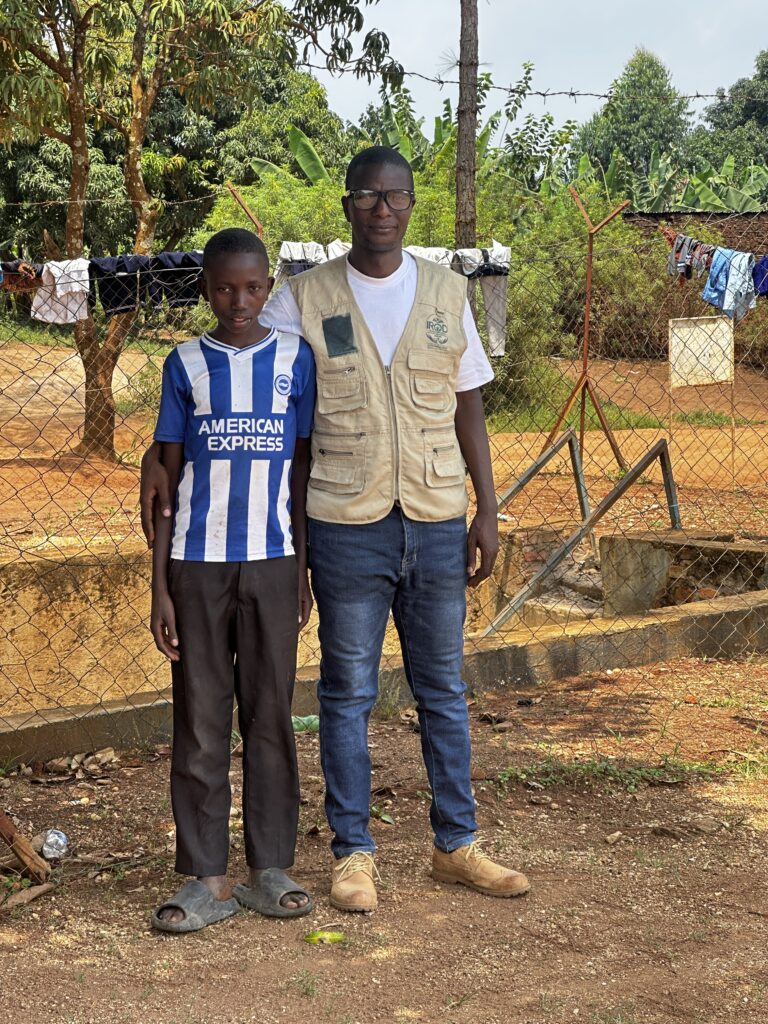
The Reality Facing Refugee Children

The refugee communities we serve face many challenges, but unemployment remains the greatest. It has led to widespread poverty, school dropouts, domestic violence, crime, hopelessness, and dependence on humanitarian aid. Behind these challenges are deeper root causes: negative mindsets created by years of displacement, limited employment opportunities, poor access to quality education, rapid population growth, and the fact that many educational certificates from the Democratic Republic of the Congo (DRC), Sudan, etc. are not recognized in Uganda, leaving many educated refugees unable to continue their studies or secure employment. One experience deeply affected me. Recently, in June 2026, I spoke with a young boy called Patrick, 14 years old. I asked him whether he was attending school. He replied, "No." I then asked if he had ever attended school. He answered, "Yes, up to Primary Four." I asked him to bring me his report cards so that I could understand his academic progress. His response shocked me. He explained that his guardians had never been able to pay the required school fees for report cards. I then asked, "How were you promoted from one class to another without report cards?" He quietly replied, "I simply knew where the next class was. I entered the classroom, sat with the other children, and continued learning. Whether I attended or not, the teachers never noticed because there were too many children, and the teachers did not know every student in the class." This child is not an isolated case. His story reflects the reality of many refugee children who desperately want an education but are trapped by poverty and overcrowded schools. Many children attend classes without proper registration, while thousands eventually drop out altogether because their families cannot afford even the smallest education-related costs. This is why investment in education, skills training, and livelihood opportunities is urgent. By empowering families to earn sustainable incomes and by improving access to quality education, we can break the cycle of poverty and give refugee children the opportunity to build a better future.

Join Us in Creating Lasting Impact

Your support unlocks dignity, human potential, and lasting hope for refugee and host community children in Uganda.